


12
December
Don't Let Gloves Become "Killers": A Complete Guide to Safe Use of Industrial Protective Gloves
September 16, 2026
Don't Let Gloves Become "Killers": A Complete Guide to Safe Use of Industrial Protective Gloves
In industrial environments, protective gloves are the first line of defense for workers' hands. However, improper selection, use, and maintenance can turn this crucial safety equipment into a hidden "killer," leading to reduced protection, accidents, and even serious injuries. This guide outlines key practices to ensure your gloves remain reliable protectors.
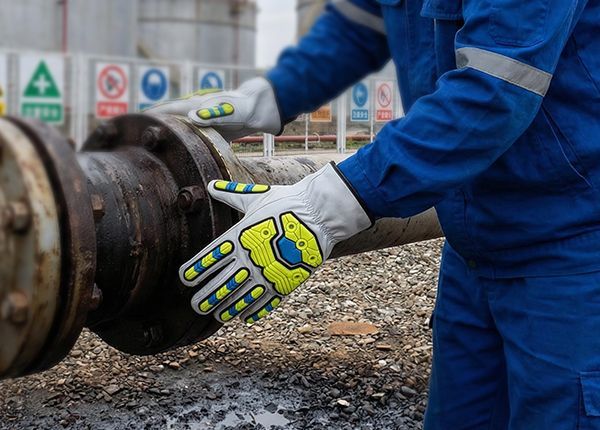
1. The Right Glove for the Right Hazard
The most critical step is matching the glove to the specific hazard.
* Chemical Exposure: Choose material-specific resistance (e.g., nitrile, neoprene, PVC). Refer to chemical compatibility charts.
* Cuts & Abrasions: Select gloves with appropriate cut resistance levels (e.g., ANSI/ISEA Cut Levels A1-A9).
* High Temperatures: Use heat-resistant materials like Kevlar®, aluminized fabrics, or specialized leathers.
* Electrical Work: Never compromise. Use certified dielectric gloves with proper leather protectors.
* General Purpose: For minor abrasions, dirt, and cleaning, durable general-work gloves suffice.
Using a general-purpose glove for a chemical or electrical hazard is a primary reason gloves fail catastrophically.
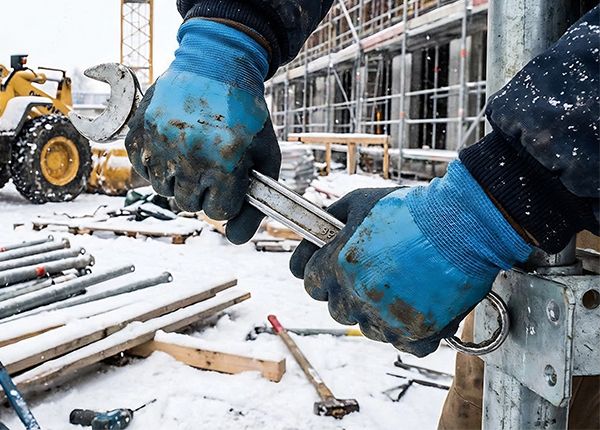
2. Fit Matters: The Danger of Poor Fit
An ill-fitting glove is a safety hazard.
* Too Large: Impairs dexterity, can get caught in machinery, reduces grip strength.
* Too Small: Causes hand fatigue, reduces blood circulation, and can tear easily.
* Always try gloves before bulk purchase. Ensure full finger dexterity and comfortable wrist fit.
3. Inspection & Maintenance: Your Daily Duty
Gloves are consumable items. Integrate these checks into your routine:
* Pre-Use Inspection: Look for signs of degradation: thinning, tears, cracks, swelling (chemical gloves), discoloration, or stiffness.
* Post-Use Cleaning: Clean according to manufacturer instructions to remove contaminants. Store in a clean, dry, temperature-stable place away from direct sunlight.
* Know When to Replace: Never use damaged gloves. Establish a clear replacement protocol. A compromised glove offers false security.

4. Common Misconceptions & Deadly Mistakes
* "One Glove Fits All Scenarios": This is the most dangerous myth. Task-specific gloves are essential.
* Ignoring Degradation Time: Chemical gloves have a specific "breakthrough time." Do not use them beyond their rated exposure period.
* Using Cut-Resistant Gloves for Rotating Machinery: This can lead to severe entanglement injuries. Use NOT recommended unless designed for such risks.
* Neglecting Hand Hygiene: Wash hands before and after wearing gloves to prevent skin issues.
5. Building a Culture of Hand Safety
Safety is systemic. Employers must:
* Conduct thorough risk assessments for all tasks.
* Provide comprehensive training on glove selection, use, limitations, and disposal.
* Ensure easy access to the correct types of gloves.
* Encourage workers to report damaged gloves without penalty.
Partner with a Safety Specialist
Choosing the right protective equipment is easier with an expert partner. At Qingdao Meiji Labor Products Co., Ltd, we are committed to providing not only high-quality gloves but also the knowledge to use them safely. Our range includes solutions for cut resistance, chemical handling, thermal protection, and general industry, all designed to meet rigorous standards.
Let us help you ensure that every pair of gloves is a true protector, not a liability.
For expert advice, product catalogs, or custom safety solutions, contact us:
* Phone: [0086-15020088730]
* Visit: [www.meijigloves.com]
* Email: [info@meijigloves.com]
Protect your most valuable tools—your hands. Choose wisely, use correctly, and stay safe.
